Patricia Garfield and Creative Dreaming: Shape Your Dreams
Most dream books teach you to read the night. Patricia Garfield's Creative Dreaming, published in 1974, made a stranger and bolder claim: you can write it. Dreams, she argued, are not weather to be endured but a skill to be practised, and cultures and individuals throughout history have learned to invite the dreams they need, courage before a trial, an answer to a problem, a visit from a lost friend, comfort after loss. The book became one of the best-selling dream titles ever printed, helped found an international scientific association, and put the phrase dream incubation into the modern vocabulary. This is her story, her method, and an honest look at what holds up.
Who Was Patricia Garfield?
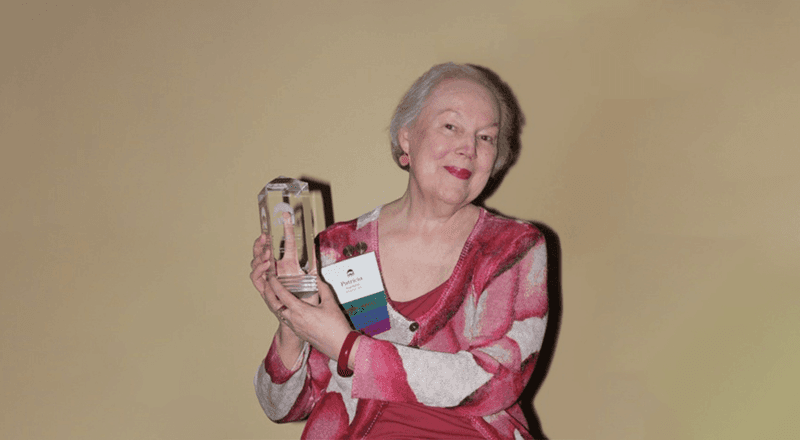
Patricia Garfield (1934-2021) was an American psychologist who kept what may be the longest continuous private dream journal in the world, begun in her teens and maintained for more than seven decades, tens of thousands of dreams recorded in her own hand. That archive made her a walking longitudinal study, and it grounded everything she wrote: Creative Dreaming in 1974, The Healing Power of Dreams in 1991, which explored how dreams register illness and recovery, and The Universal Dream Key in 2002, which compared the dream themes that recur in every culture on earth. She was a founding member of the International Association for the Study of Dreams and later its president, and for decades one of the most recognisable public teachers of dream work anywhere.
Dreaming is a private theater in which there are several theaters going on at the same time.
Patricia Garfield
Dream Incubation: Inviting the Dream You Need
The heart of Creative Dreaming is a practice older than psychology: ancient Greeks slept in temples of Asclepius seeking healing dreams, and cultures everywhere have prepared for sleep with intention. Garfield distilled the common machinery into a technique anyone can run at home. The evidence for it is respectable: modern studies of pre-sleep suggestion find that a clearly held intention really does bend dream content toward the chosen theme, and incubation is now a standard tool in dream research, nightmare therapy and the induction of lucid dreams. Her protocol:
- Choose one clear intention. A single question, theme or person, not a shopping list. Vague requests produce vague nights.
- Compress it into one line, present tense and positive: "Tonight I dream about the decision, and I see a way."
- Marinate during the day: return to the topic in spare moments, read about it, keep it emotionally warm. Dreams feed on what the day cared about.
- Repeat the line at lights-out while picturing the theme, and let it be the last thing in mind as you drift off.
- Record instantly on waking, even fragments: incubated material often arrives sideways, in imagery that only connects on paper.
- Persist for several nights. Garfield treated incubation as a skill with a learning curve, and the research agrees: hit rates climb with practice.

What Is Your Dream Telling You?
Explore your dream through psychological perspectives — from Jungian symbols and archetypes to your everyday thoughts and worries.
The Universal Dream Key: Twelve Themes the Whole World Dreams
Comparing dream reports across cultures, Garfield catalogued the themes that appear everywhere humans sleep, most of them anxious, all of them ancient. A sample of her universal themes:
| Theme | The universal thread |
|---|---|
| Being chased or attacked | The most common dream on earth: threat rehearsal wearing local costumes |
| Falling | Loss of support or control, felt in the body before the story arrives |
| Teeth falling out | Appearance, ageing and powerlessness, dreamed on every continent |
| Flying | The great positive universal: freedom, mastery and joy, and a common gateway to lucidity |
| Naked in public | Exposure and vulnerability, comic or mortifying by the dreamer's own current shame |
| Unprepared for the examination | Being tested and found wanting, decades after the last real exam |
| Discovering new rooms | The self is larger than the dreamer knew: the rare universal that delights |
Her point was double-edged: the themes are universal, but their message is personal, keyed to whatever in your life currently chases, tests or exposes you. If the teeth version is your regular visitor, our teeth falling out dream guide takes that single theme apart across science and the traditions.
Legacy, and the Senoi Question
Honesty requires one correction to the 1974 book. Its most romantic chapter described the Senoi people of Malaya as a society of master dream-controllers whose morning dream-sharing produced remarkable harmony, an account Garfield inherited from earlier writers, and one that later anthropology showed to be largely a Western legend. The correction matters, and it leaves her real contribution untouched, because the techniques never depended on the legend: intention shapes dreams, confronting nightmare figures beats fleeing them, sharing dreams builds intimacy, and a kept journal compounds like interest. Modern research on incubation, lucidity and imagery rehearsal therapy has vindicated the practical core. Alongside the books, her co-founding of the International Association for the Study of Dreams gave the field its permanent home, and her decades of teaching made the dream journal a household object. Few people have done more to convince the public that dreaming is a skill.
Practise Creative Dreaming with Ruya
Garfield's seventy-year journal is the most persuasive argument ever made for writing dreams down, and Ruya gives you the modern version: capture by voice or text the instant you wake, incubation intentions noted in your diary the night before, and the archive that shows you, as hers showed her, which themes are yours and how they evolve. If the control side of her work calls to you, the natural next step is lucidity: our lucid dreaming guide picks up exactly where Creative Dreaming pointed, and the interpretation methods are there for the mornings when the invited dream arrives speaking riddles.
Garfield's wager, kept nightly for seventy years, was that the dreamer is not a spectator. Ask for the dream you need, face what chases you, write down what you are given. The night, she taught, meets people halfway, but only the ones who show up with intentions and a pen.
Patricia Garfield: Frequently Asked Questions
Who was Patricia Garfield?
What is Creative Dreaming about?
What is dream incubation and does it work?
Can you really control your dreams?
What is The Universal Dream Key?
What is the Senoi controversy?
How do I start a practice like hers?
Was this article helpful?