Rosalind Cartwright: How Dreams Heal the Emotional Brain
Most dream theorists worked from the consulting room; Rosalind Cartwright worked from the sleep laboratory, and she asked a question nobody had tested properly: does dreaming actually do anything for us? Over half a century of research, much of it with people in the middle of the worst year of their lives, she built the case that it does. Dreaming, in her account, is the night shift of emotional life: it takes the day's disturbances, connects them to everything we have survived before, and hands us back a mind fit to face the morning. They called her the Queen of Dreams, and her work is the reason phrases like overnight therapy appear in modern sleep science at all.
Who Was Rosalind Cartwright?
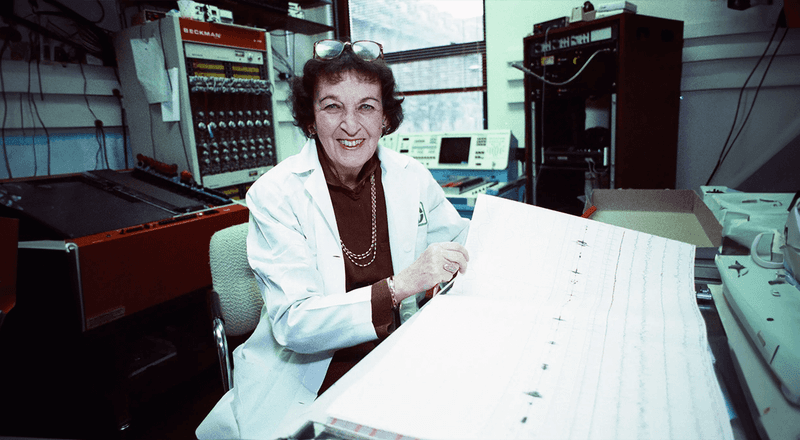
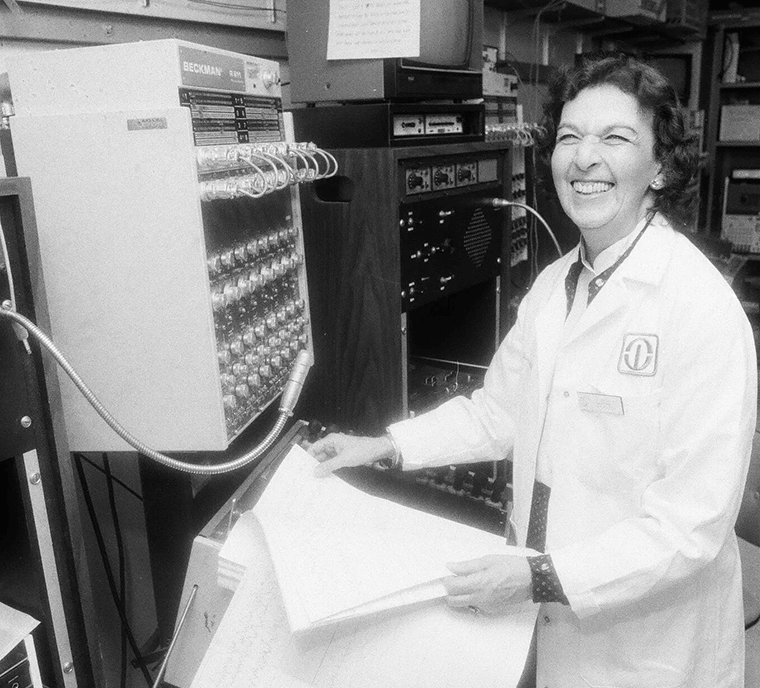
Rosalind Dymond Cartwright (1922-2021) spent the heart of her career at Rush University Medical Center in Chicago, where she led the psychology department and founded one of the earliest sleep disorder services in the United States. She belonged to the first generation of scientists who could watch sleep happen, EEG traces, REM periods, timed awakenings, and unlike many laboratory researchers she never stopped asking what dreams are for. Her instinct was to study people in crisis, on the theory that if dreaming has a job, you will see it working hardest where the emotional load is heaviest. The crisis she chose was divorce.
Dreams are not simply a replay of the day's activities but a continuation of our waking concerns.
Rosalind Cartwright
The Divorce Studies: Watching Dreams Do Their Work
Through the 1980s and 90s Cartwright brought newly separated and divorcing volunteers, many clinically depressed, into the laboratory, recorded their sleep and dreams, and then followed their recovery over months and years. The design sounds simple; the findings rearranged how science thinks about dreaming:
| What she studied | What she found |
|---|---|
| Dreams of divorcing adults | Those who dreamed about the ex-spouse, with real feeling in the dream, were more likely to have recovered from depression at follow-up than those who kept the ex out of their dreams |
| Overnight mood in good sleepers | Mood is typically better in the morning than at bedtime: the night, and dreaming, down-regulates negative emotion |
| Overnight mood in depression | The repair fails: REM comes too early, dreams stay flat or bleak, and mornings arrive no better than the nights |
| The arc of dreams across one night | In people coping well, dreams start negative and grow more resolved toward morning, like a story being worked through in instalments |
| Sleepwalking and the courts | Her sleep-laboratory expertise made her a sought-after forensic witness in cases of violence during sleepwalking, work she recounts in The Twenty-four Hour Mind |
The ex-spouse finding deserves a second look, because it reverses a common instinct. Dreaming about the person who broke your heart feels like failure, like the wound reopening every night. Cartwright's data says the opposite: those painful, feeling-heavy dreams are the processing, the emotional brain taking the loss out of storage and stitching it into the rest of your life story, and the dreamers who did it were the ones who healed. The ones who never dreamed of the ex were not over it; they were avoiding it in their sleep too.
The Theory: Dreaming as Overnight Mood Regulation
Cartwright's mature account, laid out in The Twenty-four Hour Mind, treats waking and sleeping cognition as one continuous system. During the day we accumulate emotional business; during the night, especially in REM sleep, the mind returns to whatever carries the strongest negative charge and works it over, connecting the new hurt to older memories, draining its intensity, updating the self-image it threatened. When the system works, you wake literally feeling better, and over weeks a divorce, a bereavement or a humiliation gets metabolised. When it fails, as in depression, the machinery runs but the repair does not happen, and her work on that failure helped establish why depressed sleep looks so distinctive on the charts. If this sounds like a scientific cousin of what our anxiety dreams guide describes, it is: much of that article's science stands on foundations she poured.
Using Her Findings on Your Own Nights
- Track mood next to dreams. Note how you feel at bedtime and on waking. The overnight difference is Cartwright's signal: most nights should leave you slightly repaired.
- Welcome the painful cameo. Dreaming about the person or loss that hurts is the work happening, not a relapse. Let the dream be recorded rather than pushed away.
- Watch the arc, not the episode. One bleak dream means little; what matters is whether, over weeks, the theme softens, resolves or picks up new endings.
- Protect the machinery. The repair runs on sufficient, regular sleep with intact REM: short nights and late alcohol cut the therapy session short.
- Know the failure signature. Weeks of flat or relentlessly negative dreams, mornings no better than nights, and low daytime mood together suggest the overnight repair is failing, which is a reason to talk to a professional about depression, not a personal shortcoming.

What Is Your Dream Telling You?
Explore your dream through psychological perspectives — from Jungian symbols and archetypes to your everyday thoughts and worries.
Let Your Journal Keep the Night Records
Cartwright's insights only become usable if the nights are on record, and that is what Ruya's journal is for: dreams captured by voice or text the moment you wake, mood and life events alongside them, and the weeks-long arcs, the softening theme, the recurring dream that finally changes its ending, visible instead of forgotten. The interpretation methods then help you work with what the night delivered, in the spirit she proved made sense: the dream as this week's emotional business, mid-repair.
Cartwright gave dreamers something rarer than an interpretation: evidence. Evidence that the bleak dream after a loss is labour, not haunting; that mornings really can be wiser than nights; and that the strange theatre of REM sleep has a job description. The Queen of Dreams earned the title the slow way, one recorded night at a time.
Rosalind Cartwright: Frequently Asked Questions
Who was Rosalind Cartwright?
What is Cartwright's mood regulation theory of dreaming?
What did her divorce studies show?
Is it bad to keep dreaming about someone who hurt me?
What is The Twenty-four Hour Mind about?
How is her theory different from Freud's?
How can I apply her findings myself?
Was this article helpful?