How Dream Interpretation Works: 11 Methods Explained
Type a dream into a search engine and you will find a thousand confident answers, most of them contradicting each other. A snake is an enemy, or your own transformation, or temptation, or healing. That is not because dream interpretation is nonsense. It is because there is more than one dream interpretation, and each tradition is asking the dream a different question. This guide lays out the whole map: the three families of interpretation, the eleven methods inside them, what each one asks you and what it can tell you, how to choose the right lens for a particular dream, and why the same dream honestly can mean different things to different people.
What Dream Interpretation Is (and What It Is Not)
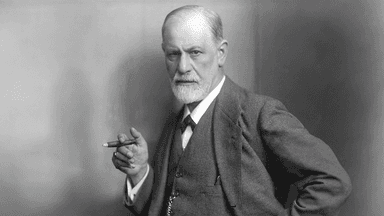
Dream interpretation is a structured conversation between a dream and the life it arrived in. It is not fortune-telling, and it is not a dictionary look-up: no serious tradition, ancient or modern, believes that a symbol carries one fixed meaning for everyone. The classical interpreters of Islam questioned dreamers about their circumstances before saying a word. Freud built a whole method out of asking what each image made the dreamer think of. Jung insisted the dreamer's own associations outrank any handbook. Every good method, in other words, starts with the same move: it puts the dream back into context.
The dream is a little hidden door in the innermost and most secret recesses of the soul.
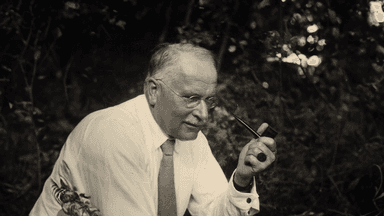
Carl Gustav Jung, The Meaning of Psychology for Modern Man (1933)
What the traditions disagree about is what lies behind that door: your own mind, a spiritual reality, or God. That disagreement is the honest starting point of this guide. Rather than pretend one answer is correct, it treats each as a lens, because a lens is exactly what an interpretation method is: a set of questions that brings certain things about a dream into focus.
The Three Families of Dream Interpretation
- Psychological methods read the dream as the mind talking to itself: processing worries, rehearsing threats, working on identity and meaning. They ask about your thoughts, feelings and current life.
- Spiritual methods read the dream as part of a larger web of meaning: guidance, energy, signs and connection. They ask about your path, your intuition and the patterns you have noticed around you.
- Religious methods read the dream within a faith and its scripture: what the tradition teaches about dreams, and what its sources say about the symbols. They ask about your faith, your circumstances and the dream's feeling.
Psychological Methods
Psychology has produced several distinct ways of reading dreams, and they are not interchangeable. Five are in wide use today:
- Thoughts and Worries (Cognitive): the dream as a replay of what your mind is already carrying. Rooted in cognitive psychology and the continuity hypothesis (dreams draw on waking concerns), it asks what you have been thinking, avoiding or overthinking, and it is the natural lens for anxiety dreams and recurring stress themes.
- Symbols and Archetypes (Jungian): the dream as a message from the unconscious in the language of images. Jung's method looks for archetypes (the shadow, the wise old figure, the journey, the circle) and asks what each image means to you personally. Best for vivid, strange, symbol-rich dreams.
- Life Direction and Meaning (Existential): the dream as a question about how you are living: freedom, choice, mortality, purpose. Drawn from existential therapy, it asks what the dream reveals about the direction of your life and what you may be avoiding deciding.
- Your Life Story (Narrative Therapy): the dream as a chapter in the story you tell about yourself. It asks what role you play in the dream, who else is cast, and whether the story is one you wrote or one you inherited. Best for dreams about relationships, family and identity.
- Lucid Dream Exploration: for dreams in which you knew you were dreaming. Instead of decoding symbols, it works with what you did with that awareness, what you chose, and what the dream did back, drawing on lucid dreaming research since the 1970s.
Spiritual Methods
Spiritual approaches share one assumption psychology does not make: that a dream may be connected to something beyond the dreamer's own mind. Within that, they differ in what they listen for:
- Signs and Synchronicities: reads the dream alongside meaningful coincidences in waking life, the idea Jung named synchronicity. It asks what has been repeating around you, and whether the dream rhymes with it.
- Spirit Guides and Angels: reads certain dream figures as guidance: a protective presence, a messenger, a loved one. It asks who appeared, what they conveyed, and how it felt to be in their presence.
- Energy and Chakras: reads the dream's imagery and body sensations through the yogic energy centres: a dream of the throat, the heart, of rising heat or blocked movement. It asks where in the body the dream lived.
- Shamanic Dreamwork: draws on indigenous traditions in which the dream is a journey: animals as allies or teachers, landscapes as other worlds, the dreamer as traveller. It asks what you met, what you were given and what you brought back.
Religious Methods
The two great scriptural traditions of dream interpretation both begin from the same premise, that some dreams come from God, and both spend most of their energy on discernment: telling those dreams apart from the ordinary kind.
- Islamic Interpretation: built on the hadith that dreams are of three kinds (true dreams from Allah, bad dreams from Shaytan, and the echoes of one's own thoughts) and on the classical tradition attributed to Ibn Sirin, which reads symbols through the Qur'an and Sunnah and then weighs them against the dreamer's circumstances. Only true dreams are interpreted; bad ones are set aside.
- Christian (Biblical): built on the many dreams of Scripture, from Jacob and Joseph to Daniel and the dreams of Matthew's nativity, and on the principle that every dream is tested against the Bible and in prayer. It asks whether the dream brings peace and points towards God, and reads its symbols through their biblical meanings.
Which Method Should You Choose?
The right lens depends on two things: what you believe, and what the dream was like. This table is the quick version.
| Method | Family | Reach for it when | It will ask you about |
|---|---|---|---|
| Thoughts and Worries | Psychology | The dream felt stressful, or repeats a real-life worry | Current stresses, habits of thought |
| Symbols and Archetypes | Psychology | The dream was vivid, strange and full of images | What each image means to you |
| Life Direction and Meaning | Psychology | You are at a crossroads, or the dream felt weighty | Choices, purpose, what you avoid |
| Your Life Story | Psychology | The dream was about people, family or who you are | Relationships, roles, your story |
| Lucid Dream Exploration | Psychology | You knew you were dreaming | What you chose, what the dream did |
| Signs and Synchronicities | Spiritual | The dream echoed something recurring in waking life | Coincidences, patterns, intuition |
| Spirit Guides and Angels | Spiritual | A figure in the dream felt like a presence or messenger | Who appeared, what was conveyed |
| Energy and Chakras | Spiritual | The dream was physical: heat, pressure, movement, blockage | Where in the body it lived |
| Shamanic Dreamwork | Spiritual | Animals, landscapes and journeys dominated the dream | What you met and brought back |
| Islamic Interpretation | Religious | You want the dream read within Islam and its classical tradition | Your circumstances, faith, the dream's feeling |
| Christian (Biblical) | Religious | You want the dream tested against Scripture | Your faith, prayer, the dream's fruit |

Get Ruya App
Track your dreams anywhere and unlock deeper insights.
Why the Same Dream Means Different Things
Take the most searched dream symbol in the world: a snake. A cognitive reading asks what threat you have been ignoring. A Jungian reading sees transformation, a skin being shed. The Ibn Sirin tradition reads a hidden enemy and looks at whether you escaped it. A biblical reading starts from the serpent of Genesis and asks about deception and discernment. A shamanic reading may treat the snake as a teacher. None of these is a translation error; each is answering a different question, and each can be right for a different dreamer.
This is why the honest interpreters in every tradition ask before they answer. The classical Islamic scholars famously gave different readings to different people who reported the very same dream. Jung refused to interpret without the dreamer's associations. Modern cognitive therapists start with the week you have had. Context is not a detail added to the interpretation. It is most of it.
How a Good Interpretation Actually Works
Whatever the method, the process that produces a useful interpretation looks much the same:
- Record the dream while it is fresh, with its feeling, not only its plot. Dreams fade within minutes; the feeling is often the most reliable clue.
- Choose the lens deliberately. Ask what kind of question you are bringing: what is my mind doing, what is this pointing to, or what does my faith say.
- Answer the context questions honestly. Every method asks something about your life; the interpretation is only as good as those answers.
- Read the interpretation as a starting point, not a verdict. If it lands, you will feel the click of recognition; if it does not, that is information too.
- Revisit it later. Recurring images and themes across weeks say more than any single dream, and a journal is what makes that visible.
A Short History of Dream Interpretation
Humans have been interpreting dreams for as long as they have been writing. An Egyptian papyrus from around 1275 BC lists dreams with their meanings, good and bad. In the second century, the Greek writer Artemidorus compiled the Oneirocritica, five books of interpretations that already insisted on knowing the dreamer's occupation and circumstances. Islamic scholarship produced its own rich tradition from the eighth century, attributed above all to Ibn Sirin, while Jewish and Christian thinkers debated which dreams came from God. In 1899 Freud reframed the dream as a window onto the unconscious mind; Jung widened the window to include the shared symbols of humanity; and from the 1950s onwards, sleep laboratories, content analysis and neuroscience have argued about how much of dreaming is meaningful at all. Eleven living methods is where that long conversation currently stands.

Ruya was built on the idea in this guide: that a dream deserves the lens that fits the dreamer. You keep a free journal, choose any of the eleven methods, answer a few questions about your life the way a careful interpreter would ask them, and receive an interpretation grounded in that tradition. Your answers are remembered, so a second method on the same dream does not ask them again. Whichever door you open, the dream is on the other side.
Frequently Asked Questions About Dream Interpretation
Is dream interpretation real, or scientific?
Which dream interpretation method is right for me?
Are dream dictionaries accurate?
Can the same dream have different meanings?
What is the difference between psychological and religious dream interpretation?
Do I need to remember the whole dream to interpret it?
Is AI dream interpretation any good?
Are dreams messages?
Was this article helpful?